“A child can ask questions that a wise man cannot answer.” ~Author Unknown
It is a Monday morning and the room is filled with young children discussing, collaborating and creating. Young faces are filled with brilliant expressions and little fingers grasp pencils, crayons, tape and paper with excitement as imaginations race from eager minds to tangible products. A closer look into this classroom reveals kindergarteners working on different activities. On the floor, just to the right of the entrance, three children are working together to make a tower, complete with columns, doors and a tree. At the moment, the three are bent over a piece of paper and sounding out the words “monster tower.” One of the students dutifully writes the sounds down with a red marker and they tape it to the structure. Across the room, a child is writing color words to hang up on the wall. And at the art table, a group of children are creating paper hearts to decorate the room. All around the room, children are focused, engaged and learning. This is a wonder-filled classroom.
There are a lot of aspects to ponder when thinking about creating a fun and productive classroom. But the foremost element is Wonder. Having a sense of wonder allows children to feel amazement, be curious and to want to know more about a subject. In developing a sense of wonder, children are not only learning in the moment, but they are paving a successful pathway to a lifetime of learning. As teachers, this is our passion, our goal, our greatest wish, to have our students become life-long learners.
But how do we bring this into our classrooms? The classroom teacher has a multitude of tasks, benchmarks and curriculum to follow. Our days are filled with meeting standards, completing assessments and delivering explicit instruction because this is what we are evaluated on. Also, the century old expectation of quiet children completing an assigned task is still prevalent within our schools. How do we break this trend? Is it even possible to create a classroom of wonder for our young students? Admittedly, the path to wonder can feel unreachable and in some cases, a bit scary. However, there are ways to bring the sense of wonder into the classroom environment. Here are 4 ideas on how to to bring the sense of wonder into your classroom.
Nature and Beauty
It is often remarked upon how young children can find joy in the simplest forms of nature around them. Ask any Kindergarten teacher walking her class back from outdoor recess and they will tell of the ants, beetles, birds and flowers that have made the 3 minute walk back to the classroom into a 10 minute mini lesson. Bringing nature into the classroom is a simple way to bring wonder into the minds of children.
– Bring in a bouquet of flowers for the children to draw, paint and investigate.
- Observe slices of wood for crayon rubbings and discussion.
- Class pet
- Use organic, natural items for learning centers and activities such as counting seashells, glass beads or pebbles.
- Use twinkle lights to create an atmosphere of magic and beauty.
- Experiment with color and light.
- Play music.
Time to Think
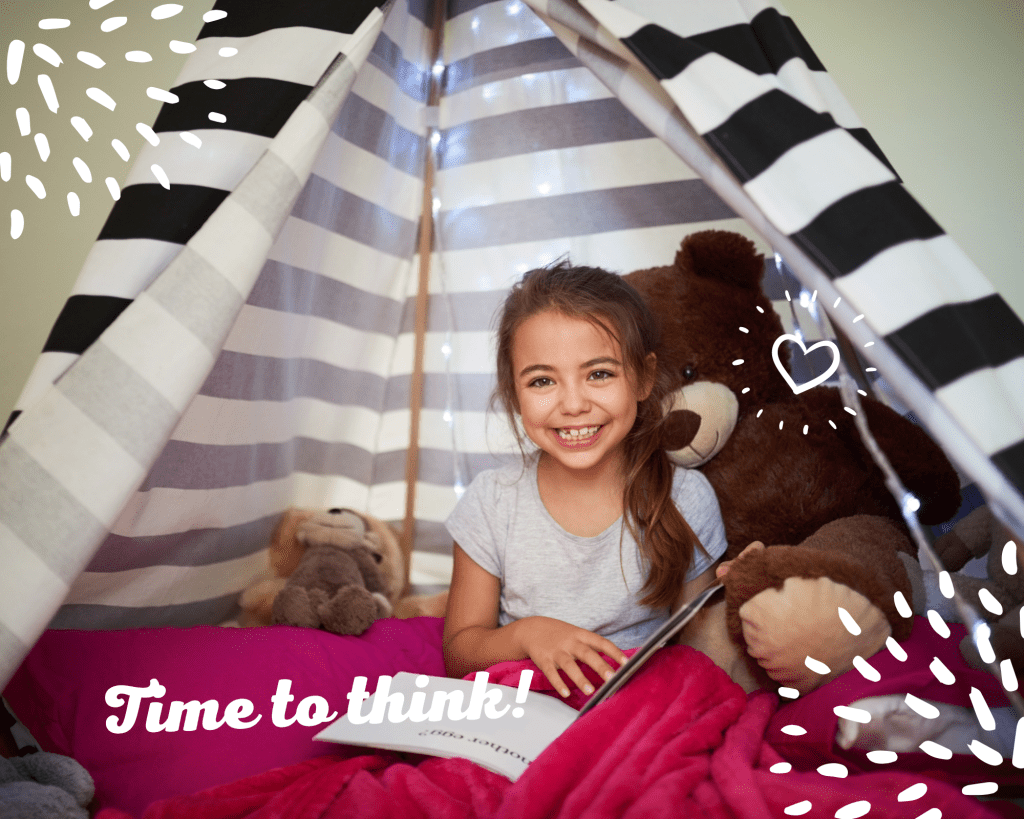
Creativity starts with wonder and imagination. These are living, moving thoughts that cannot be forced, but must be cultivated with time. As adults we often give ourselves time to think on things before moving on with our projects and ideas. The phrases, “Let me think on it.” Or “I will sleep on it and get back to you.” are skills that adults use to give ourselves time to think things through and develop our ideas. Children also need time to imagine, create and rework their ideas within the classroom setting, Here are some ideas on how to give children this time to think.
- Allow children to color and create. These meditative type practices allow the brain to wonder and imagine.
- Create a quiet space with books, pillows and sensory bottles.
- Use collaborative projects as a space for discussing thoughts and ideas.
- Allow children to play and imagine with centers.
- Give children time to think before responding.
- Teach ways to pre plan ideas and projects such as blueprints and graphic organizers.
Student Choice
Giving students choice in their learning allows for individual interests, learning styles and experiences to emerge and cultivate into projects and ideas. Creativity and inventive thinking have become highly sought after skills in our 21st century job market, yet with the ever growing standardized testing, expectations and assessments, it is difficult to find the space and time for student choice. Here are a few ideas on how to incorporate student choice into the learning environment.
- Allow free choice at center time.
- Create choice boards centering around a standard or a set of standards.
- Use several forms of instruction such as workshop model, self paced lessons on technology, rotations and small group instruction.
- Create task boxes or busy bags dedicated to a standard or skill. (Ex recognizing numbers to 20.)
- Allow students to utilize different centers to practice learning and developing ideas. (Ex. The block center mentioned earlier in this article.)

Finding Wonder in our own Lives
This is the most important step in creating a wonder filled classroom environment. We cannot build wonder for our students until we have experienced it for ourselves. That feeling of amazement at the world around us and the curiosity of wanting to learn more, will pour through our hearts into the waiting minds of our precious students. Finding wonder in our own lives also gives us the added benefit of self care that teachers so desperately need in these demanding times.
- Take a daily walk outside.
- Read a good book for pleasure.
- Develop a hobby.
- Daydream
- Take an artist date
- Journal
- Take a much needed nap
Teaching children to love learning and develop creative thinking skills are the hallmarks of wonder based learning. As teachers, we understand the importance of wonder, but are also pulled in many directions as expectations of standards and benchmarks are at the root of our evaluations. Perhaps some simple steps forward will help pave the way for wonder to cultivate intrinsic learning in the classroom and allow teachers and students to feel the magic of the classroom once again.
 The Magical Kindergarten